Technology · 2026-08-02
81.2% of inventory operators want to integrate artificial intelligence, but only 11% use it today. An analysis of the State of Inventory Management 2026 report and what it means for industrial infrastructure.
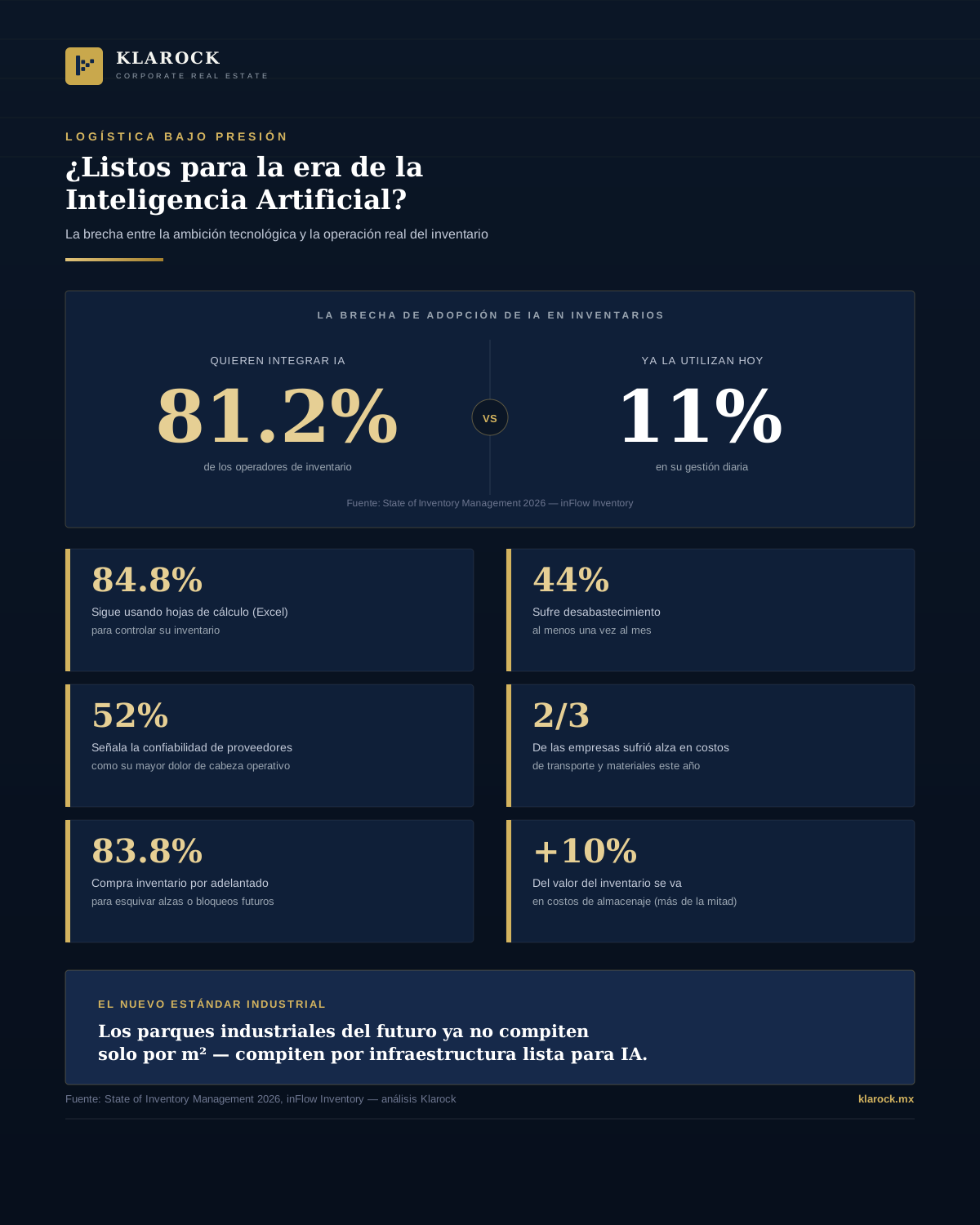
The way companies manage their stock is changing rapidly thanks to digitalization and artificial intelligence. Yet in day-to-day operations, the reality is different: spreadsheets still rule. According to the State of Inventory Management 2026 report by inFlow Inventory, companies are clear on what they need —accuracy, automation, and greater responsiveness—, but there's a gulf between their technological ambitions and the infrastructure they actually have, both in software and in their industrial real estate itself.
At first glance, the picture looks stable. Nine out of ten operators surveyed say they're satisfied with their current inventory system. But scratch the surface and chronic problems appear:
So far, teams have managed to patch these failures through internal manual processes. But with supply chains growing more volatile and unpredictable, those improvised shields are reaching their limit.
Despite the existing offer of ERP systems, specialized software, and WMS (Warehouse Management System) platforms, 84.8% of companies still use spreadsheets to control their inventory, and 74.2% depend almost exclusively on them. Even in corporations with more than 500 employees, half still keep Excel as their administrative backbone. The reason? It's not resistance to modernity, but a matter of cost, flexibility, and familiarity. The problem is that as product volume grows and markets demand immediate deliveries, spreadsheets become a ticking time bomb prone to human error, duplicate data, and zero real-time visibility.
If the present smells like an Excel formula, the future smells like algorithms. 81.2% of operators want to integrate artificial intelligence into their inventory management, leaving interest in other technologies like machine learning, IoT, or augmented reality far behind. But there's a long way between saying and doing: only 11% actually use it today. The reasons for this handbrake are clear: high implementation costs, the difficulty of syncing AI with legacy systems, lack of staff training, and cybersecurity concerns.
On top of this technological puzzle sits a hostile economic environment. Two-thirds of companies saw increases in transportation and material costs over the past year, squeezing profit margins. Facing this uncertainty, defensive strategies haven't waited:
This is where the story turns to the physical world. Better inventory management doesn't just depend on installing new software; it requires radically transforming logistics infrastructure. The distribution centers of the past —focused solely on stacking boxes— no longer work. Integrating technologies like RFID, IoT devices, WMS systems, and real-time data analytics demands smart buildings with robust connectivity and automation capacity. For industrial park developers, the rules of the game have changed. Location and available square footage are no longer enough: the real differentiator for attracting investment is offering infrastructure ready for automation and the digital era.
Driven by nearshoring and the urgency to build crisis-proof supply chains, Mexico stands before a unique window of opportunity to modernize its network of distribution centers. The moral of this new era is clear: logistics competitiveness will no longer be measured by how big your warehouse is, but by the quality, speed, and precision of the information behind your decisions. The industrial parks of the future will compete on their ability to integrate technology, efficiency, and resilience into a single ecosystem.
At Klarock, we identify and market the industrial properties with the infrastructure and connectivity this new era demands.
Reach out and a managing partner will contact you within 24 business hours.
Contact a Managing Partner